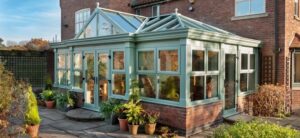
Understanding Rotten Conservatory Frames: Causes, Effects, and Solutions
Conservatories are treasured extensions of homes, providing a serene area for relaxation, dining, or taking pleasure in a cup of coffee surrounded by nature. However, the pleasure of having a conservatory can quickly diminish when the frames end up being rotten. Rotten conservatory frames can lead to a plethora of issues, weakening the extremely essence of this treasured space. In this article, we'll look into the causes of frame rot, its impacts, and effective options to bring back or change these frames, ensuring your conservatory stays a haven of convenience.
What Causes Frame Rot?
The main cause of rot in conservatory frames is direct exposure to wetness. Although conservatories are created for exposure to the aspects, specific conditions can cause water infiltration, particularly in structures that make use of wood or lower-quality products. The following prevail causes of rotten conservatory frames:
- Poor Initial Installation: If conservatories are poorly installed, specifically around joints, water can permeate in, causing rot.
- Inadequate Maintenance: Lack of regular maintenance can permit dirt, particles, and moisture to accumulate, promoting rot.
- Insufficient Drainage: A conservatory must have correct drainage systems in location. When seamless gutters and downspouts are blocked, rainwater can gather around the frame.
- Weathering: Over time, exposure to severe weather conditions (rain, snow, humidity) can compromise wood-based frames.
- Termite and Insect Damage: Insects, especially termites, can compromise wood frames, resulting in rot and structural damage.
- Internal Condensation: Poor insulation may cause condensation forming on the inside of the conservatory, which can eventually leak into the frames.
- Utilizing Low-Quality Materials: Frames made from without treatment wood or low-quality products are more vulnerable to rot.
Impacts of Rot on Conservatory Frames
Allowing conservatory frames to rot can result in numerous issues, both visual and structural:
- Aesthetic Damage: Rotten frames diminish the visual appeal of a conservatory and can make the whole structure appearance shoddy.
- Structural Integrity: As the rot advances, the structural integrity of the conservatory might be jeopardized. This can lead to drooping roofings, misaligned windows, and doors that do not close effectively.
- Increased Heating Costs: Rotting frames typically imply bad insulation, which can cause heat loss and increased heating costs throughout winter.
- Insect Infestations: Decaying wood can attract bugs like termites, carpenter ants, and beetles, leading to more damage.
- Mold Growth: Rotting wood can result in mold or mildew, creating a possibly unhealthy environment for occupants.
- Increased Repair Costs: The longer you wait to address rotten frames, the more extensive and pricey the repairs will become.
Identification: Recognizing Signs of Frame Rot
Identifying frame rot early is important to mitigating damage and costs. House owners ought to be watchful for the following indications:
- Visible Cracks or Splitting: Look for fractures or divides in the frame products.
- Soft or Spongy Wood: Press on wooden frames; soft or spongy areas show rot.
- Staining or Dark Spots: Dark patches or staining normally symbolize moisture damage.
- Fungal Growth: Visible mold or mildew development is a strong indication of wetness issues.
If any of these signs exist, it is advisable to act right away to avoid additional wear and tear.
Solutions for Rotten Conservatory Frames
As soon as rot has actually been identified, a number of options exist for dealing with the problem. The solution picked often depends upon the severity of the rot and the house owner's spending plan. Here are some common options:
Repair Solutions
- Spot Repair: For small rot, cut out the decayed sections and replace them with new wood. Make sure that the replacement wood is treated with a preservative to avoid future rot.
- Epoxy Treatments: Epoxy can be utilized to complete smaller sized locations of rot. This is particularly useful for frames that exhibit minor decay without significant structural integrity issues.
- Resealing and Repainting: If the structure is undamaged however showing early signs of rot, resealing and repainting with waterproof items can help safeguard the wood.
Replacement Solutions
- Complete Frame Replacement: If the rot is substantial, complete frame replacement might be necessary. When changing repairing conservatory doors , choose premium, cured products such as uPVC or aluminum, which are resistant to rot.
- Professional Consultation: For significant damage, seeking advice from experts is vital. They can evaluate the level of damage and supply customized options.
Avoidance Strategies
Keeping conservatory frames rot-free includes proactive maintenance. Think about the following methods:
- Perform regular assessments every couple of months.
- Clean seamless gutters and downspouts to guarantee reliable drain.
- Keep the seals around doors and windows to prevent wetness infiltration.
- Use top quality materials to prevent rot-prone products.
FAQs
1. How often should I inspect my conservatory frames for rot?
- It is advisable to check your conservatory frames a minimum of two times a year, particularly before and after winter.
2. Can I avoid rot from happening in the very first location?
- Yes! Routine maintenance, choosing top quality products, and ensuring proper drainage can considerably minimize the threat of rot.
3. What materials are best for conservatory frames?
- uPVC and aluminum are recommended due to their sturdiness and resistance to rot, unlike without treatment wood.
4. How can I inform if the rot is serious?
- Search for soft wood, comprehensive cracks, or substantial staining. If you're uncertain, speak with a professional.
5. What should I do if I discover rot in my conservatory frames?
- Address it right away. Depending on the seriousness, think about repair or replacement, and speak with a professional if needed.
Understanding rotten conservatory frames is crucial for any property owner who wants to enjoy their space without concern. By acknowledging the signs and taking prompt, educated action, property owners can ensure that their conservatories remain lovely, practical, and rot-free for years to come. Whether through cautious maintenance, strategic repairs, or material upgrades, it is possible to maintain the appeal and stability of these beloved home extensions.